Health & Safety Policy for Business Waste Removal Parsons Green
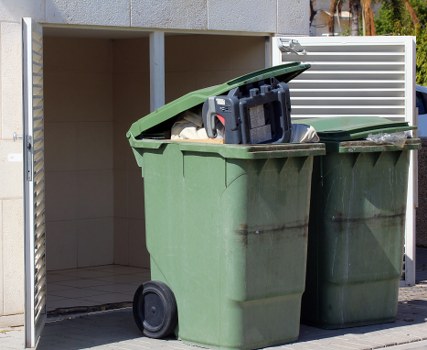 This Health and Safety Policy sets out the commitment of our commercial waste and rubbish removal operation to protect employees, contractors, clients and members of the public. It applies to all activities associated with business waste removal services across our service area, including commercial rubbish collection, site clearance and waste transport. The policy is designed to be proportionate and practical, reflecting the risks inherent in a rubbish company service area while complying with statutory duties and recognised good practice.
Scope and objectives are to minimise risk, prevent injury and occupational ill-health, and to reduce environmental harm from improper handling and disposal of business refuse. Key objectives include clear assignment of responsibilities, regular risk assessment, provision of appropriate personal protective equipment (PPE), and ongoing training. The policy also affirms our commitment to continual improvement and to monitoring the effectiveness of health and safety controls implemented for commercial waste services.
 Roles and responsibilities are allocated to ensure accountability: senior management retain overall responsibility for safety policy and resource allocation; supervisors manage day-to-day operational controls; and all staff have a duty to follow procedures and report hazards. Contractors engaged for specialised tasks must meet our safety standards and demonstrate competence. Everyone involved in business rubbish collection is expected to co-operate with safe systems of work.
Risk Assessment, Controls and Safe Working Practices
We carry out and record regular risk assessments for typical activities such as manual handling of bulky waste, operation of lifting equipment, loading vehicles, and the segregation and storage of mixed refuse. Identified hazards are controlled using the hierarchy of controls: elimination, substitution, engineering controls, administrative measures and PPE. Training ensures staff understand safe lifting techniques, traffic management on-site, and the safe use of hand tools.
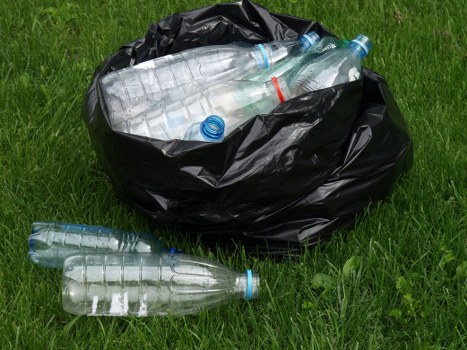 Controls include clearly marked vehicle zones, provision of hi-vis clothing and protective footwear, secure containment for sharp or hazardous items, and safe routing to avoid pedestrian interaction. We emphasise the safe handling of potentially hazardous materials under COSHH principles where applicable, ensuring substances are identified, stored and transported according to regulations and manufacturer guidance.
Safe vehicle operation is integral to our service. Drivers and crew receive instruction on load security, vehicle checks, reversing safety procedures and the minimisation of spill or litter incidents during collection routes. Maintenance schedules and defect reporting procedures are in place to keep plant and vehicles in a safe condition.
Training, Competence and Communication
All staff engaged in commercial waste removal will receive induction training and regular refresher sessions covering safe systems of work, emergency procedures, manual handling, hazardous waste awareness and environmental responsibilities. Training records are maintained to demonstrate competence and to plan further development. Supervisors are trained to recognise fatigue, stress and other human factors that can affect safety performance.
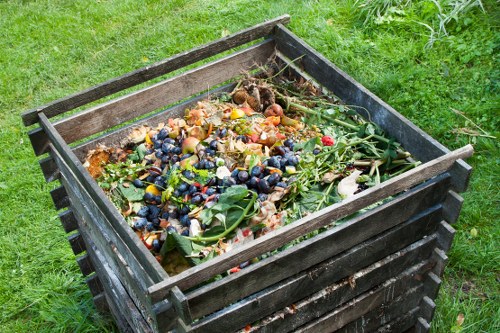 We maintain open channels of communication so that hazards and near-misses are reported promptly. Incident reporting and investigation procedures aim to identify root causes and implement corrective actions without blame. The organisation encourages a proactive safety culture where staff are empowered to stop unsafe work and suggest improvements.
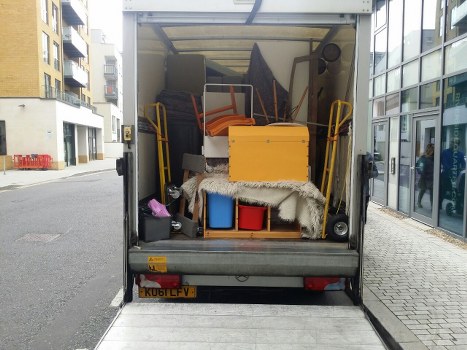 Specific arrangements for hazardous wastes and specialist items include segregation, labelling and documentation to ensure safe carriage and lawful disposal. Where waste streams require licensed handling—such as chemical containers, asbestos-containing materials or waste electrical equipment—only authorised personnel and licensed carriers are used.
Performance monitoring is achieved through regular audits, vehicle and site inspections, and review of accident and incident statistics. Key performance indicators for the rubbish company service area include lost time incidents, near-miss reports, training completion rates and audit outcomes. Management review meetings assess performance and drive policy updates.
Contractor management is a critical element. Prospective contractors undergo pre-qualification assessment for health and safety competence, and are required to adhere to our safety standards while on site. Subcontract work is monitored, and remedial action is taken for non-conformance.
Emergency preparedness covers first-aid provision, spill containment, fire safety and recovery arrangements in the event of vehicle incidents or hazardous releases. Clear instructions for immediate action, emergency contacts (internal), and escalation procedures are provided to staff, and emergency drills are carried out where appropriate.
Document control ensures that this policy, associated procedures and risk assessments are reviewed at least annually or sooner after significant change. Records of training, inspections, incident investigations and maintenance are retained to demonstrate due diligence and support continual improvement of health and safety arrangements in business waste operations.
Key responsibilities summarised:
- Senior Management: policy, resources and compliance oversight.
- Supervisors: safe systems, supervision and reporting.
- Operatives: follow procedures, use PPE and report hazards.
- Contractors: comply with site rules and evidence competence.
By implementing this policy we aim to maintain safe working practices across our commercial waste and rubbish removal services, protect people and the environment, and ensure lawful, professional operation of business waste removal activities in our service area. This statement is endorsed by senior management and is available to all staff and authorised stakeholders for reference and guidance.
