Recycling and Sustainability — Business Waste Removal Parsons Green
Business Waste Removal Parsons Green is committed to creating an eco-friendly waste disposal area and supporting a resilient, sustainable rubbish area across Parsons Green and neighbouring streets. Our commercial waste services are designed so that every business can reduce landfill, increase recycling and support local reuse networks. We combine careful segregation, transparent reporting and low-carbon logistics to make circular economy practices realistic for shops, offices and hospitality venues.Our Recycling Percentage Target
We have set a clear recycling percentage target: to achieve a 70% recycling rate for commercial waste by 2030, with an interim milestone of 60% by 2026. This target reflects best practice for recovery of materials and aligns with the boroughs' progressive approach to waste separation. To reach this goal we prioritise source segregation (food, glass, paper, card, plastic, metals and textiles), frequent monitoring and continuous optimisation of collection rounds.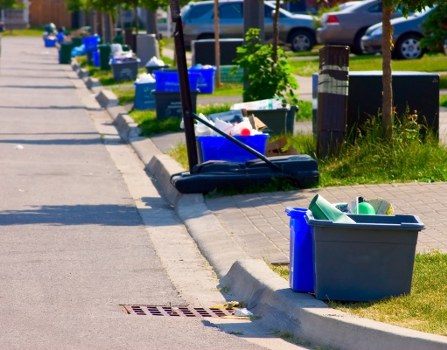
Local Recycling Activities and Borough Approach
Parsons Green benefits from the wider borough strategy to separate food waste, dry recycling and residuals at source. Light mentions of typical local recycling activity include kerbside collection schemes for paper and card, dedicated glass banks, food waste collection for anaerobic digestion, and specially-arranged collections for WEEE and bulky items. We work with clients to tailor services that reflect the borough's separation policy and make it simple for staff to follow the right sorting routines.Local Transfer Stations and Material Recovery
We coordinate with nearby transfer stations and material recovery facilities (MRFs) in West London to ensure that segregated streams are processed correctly. Our logistics path moves materials quickly to appropriate facilities, reducing contamination and increasing recycling yields. Key elements of our transfer network include:- efficient routing to local transfer stations and West London MRFs to minimise double handling;
- direct delivery of organic streams to AD (anaerobic digestion) plants or composting sites;
- secure handling of hazardous and WEEE items to specialist treatment centres.

Low-Carbon Vans and Greener Logistics
Our fleet includes low-emission vehicles and electric vans where routes and infrastructure allow. We use a mix of electric vehicles, hybrid vans and low-carbon fuels (such as HVO when appropriate), combined with telematics and route optimisation to lower CO2 output. Low-carbon vans are central to our promise to reduce transport emissions across Parsons Green and surrounding commercial zones. Fleet measures also include driver training for eco-driving, load consolidation and scheduled maintenance to keep fuel use efficient.Partnerships with Charities and Reuse Networks
We partner closely with local charities, social enterprises and reuse organisations to divert usable items from disposal and extend product life. These partnerships cover:- furniture and fixture donations to local reuse groups;
- textile reuse and repair networks for clothing and soft furnishings;
- redistribution of surplus catering equipment and office supplies to community projects.
By collaborating with charities we ensure that items in good condition are refurbished and rehomed locally, supporting both environmental and social goals without unnecessary incineration or landfill.
Sustainable Rubbish Areas and On-Site Best Practice
Creating a sustainable rubbish area on-site means clear signage, dedicated containers for each stream, and regular training for staff. We recommend labelled bays for food waste, dry mixed recycling, glass and residuals, plus lockable spaces for confidential waste and secure collections for WEEE. Small changes such as separate small-item collection trays, compact balers for cardboard and routine audits can dramatically increase recycling capture rates.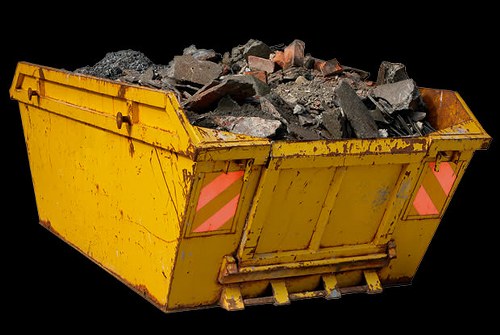
Reporting, Targets and Continuous Improvement
We provide transparent reporting so businesses can see progress toward the recycling percentage target. Our standard commitments include:- monthly recycling and diversion reports;
- yearly performance reviews against the 70% target;
- action plans for contamination reduction and stream optimisation.
These measures help businesses demonstrate sustainability credentials while complying with the boroughs' expectations and national environmental policies.